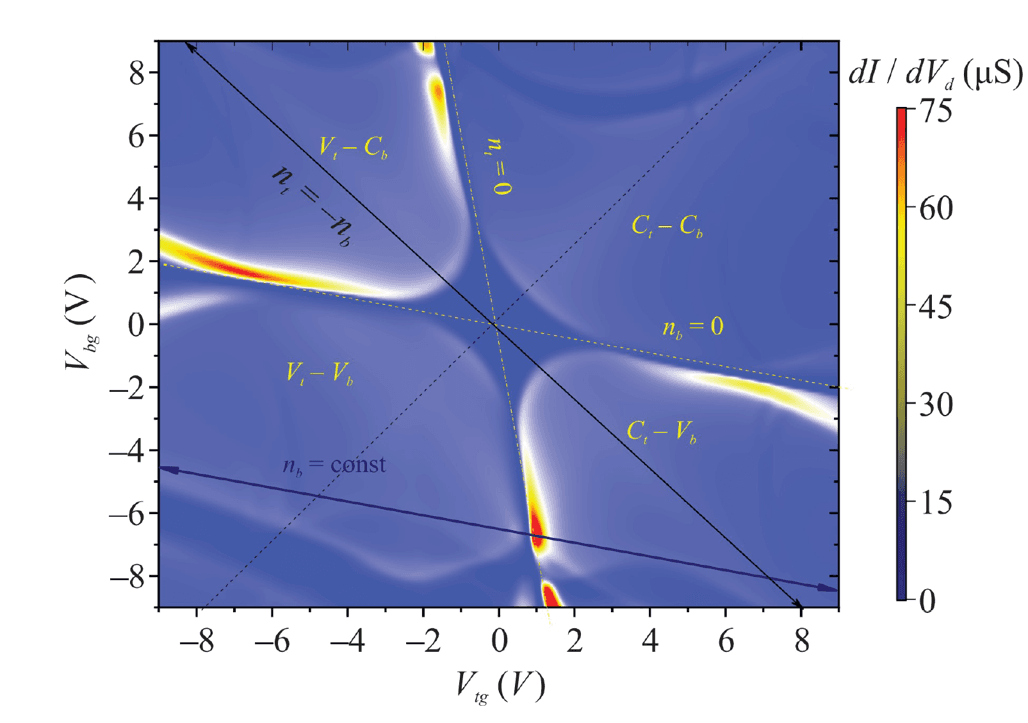
Our lab explores novel functional materials for next-generation technologies. Key focus areas include neuromorphic computing components based on 2D materials, superconducting stochastic computing systems, terahertz/infrared optoelectronics, and charge transport phenomena in novel structures and materials.
1. Neuromorphic Computing Components
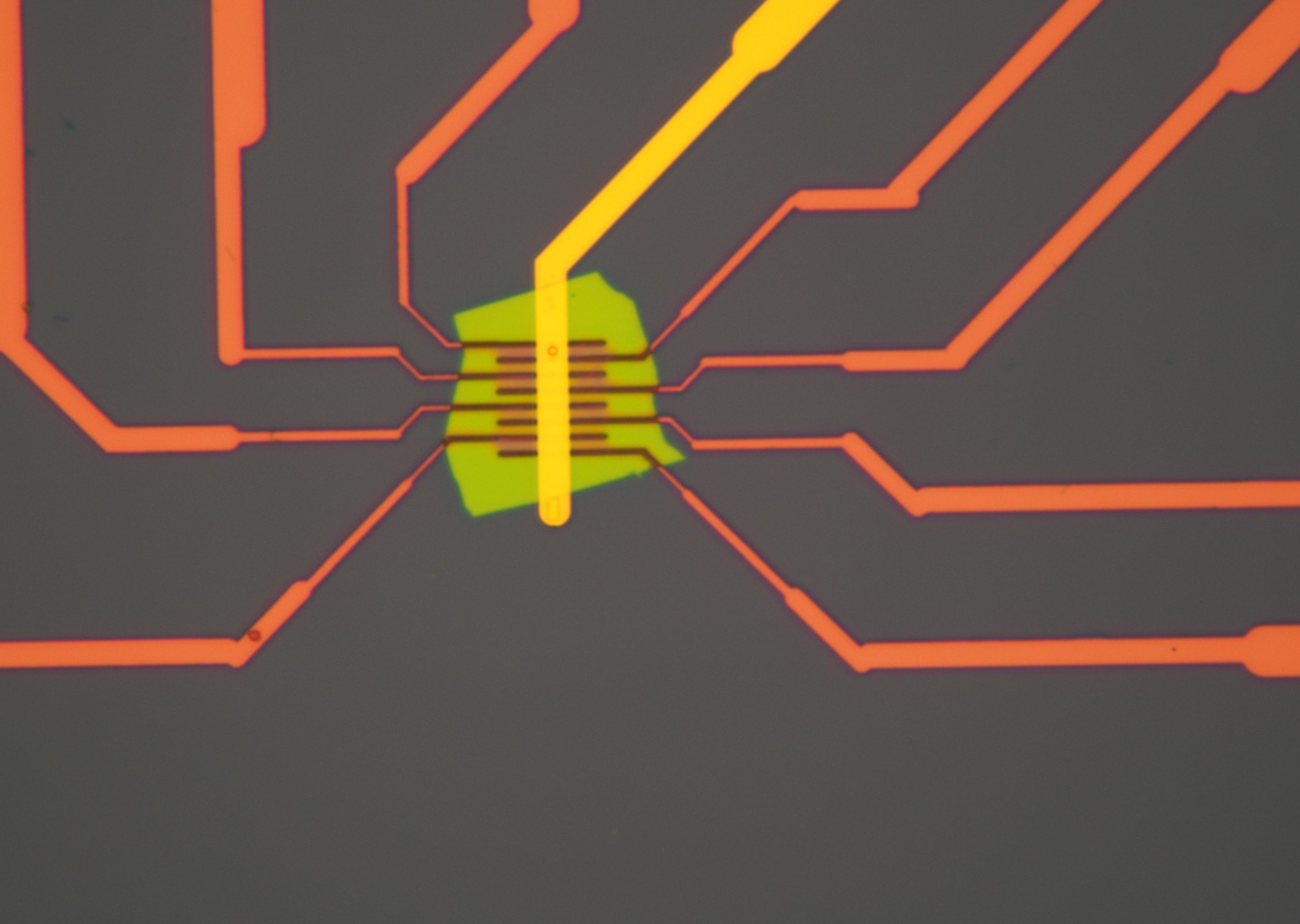
We engineer memristors based on 2D materials to mimic synaptic plasticity, enabling energy-efficient hardware for artificial neural networks. By exploiting defects and interfacial dynamics in atomically thin systems, we develop novel device architectures for brain-inspired computing.
2. Stochastic p-Bit Systems
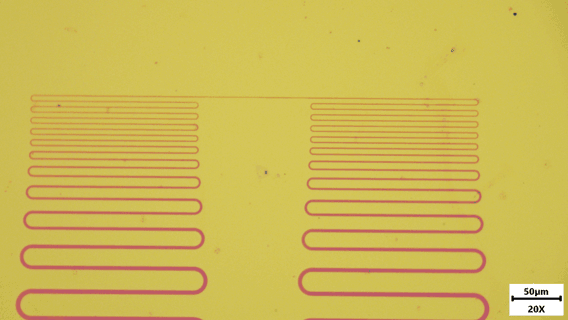
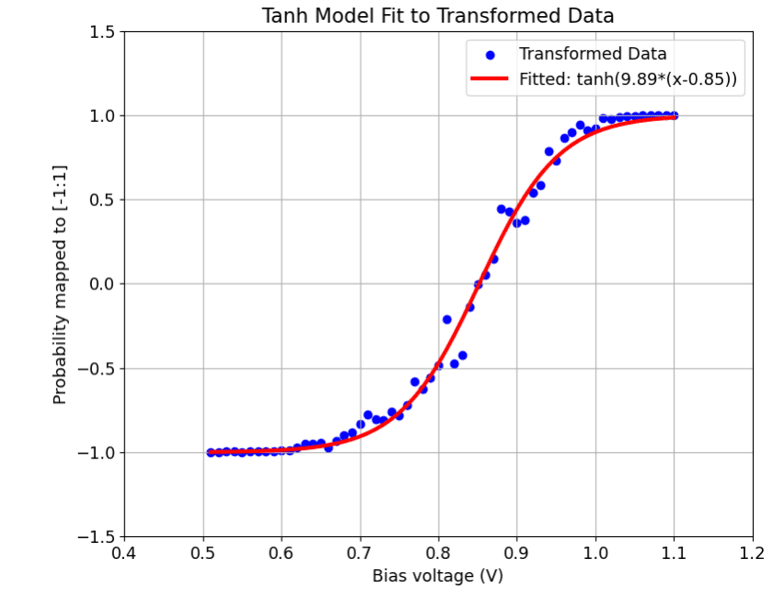
Our work on superconducting nanowire-based binary neurons (p-bits) explores probabilistic computing paradigms. These devices harness quantum fluctuations to emulate stochastic neurons, offering a pathway to ultra-low-power probabilistic algorithms for optimization and machine learning.
3. THz/IR Optoelectronics
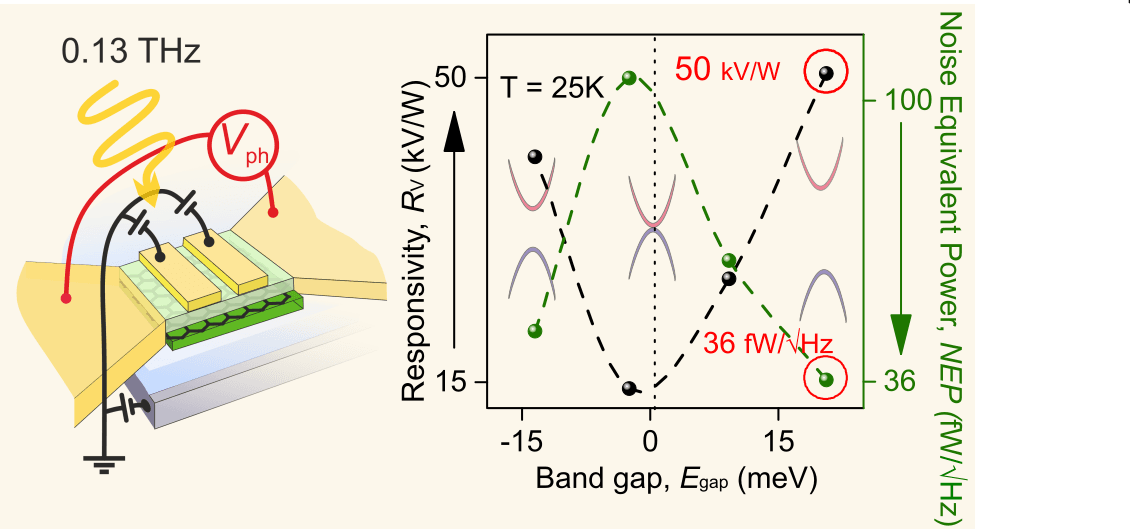
We design high-efficiency detectors for terahertz and infrared wavelengths, leveraging 2D materials, topological insulators, and hybrid metamaterials. Particular focus is placed on developing ultra-fast sub-terahertz detectors for next-generation wireless communication systems, including 6G and beyond technologies.
4. Transport Phenomena in Novel Systems & Materials
Using cryogenic and magnetotransport measurements we investigate charge dynamics in:
- Low-dimensional semiconductors,
- Topological semimetals,
- Moiré superlattices and others.